Finding Reliable Water Treatment Solutions for Homes, Farms, and Businesses
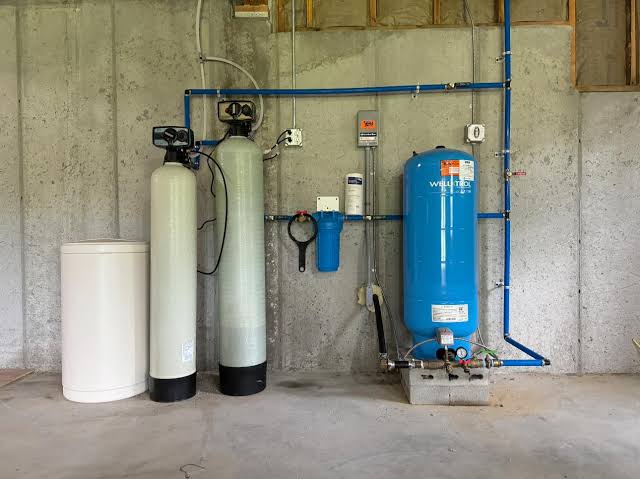
Water quality can affect far more than the taste of a glass of water. It influences how household appliances perform, how businesses maintain their equipment, and how confidently people use the water available to them every day. For some property owners, the challenge begins with a private well that produces water with an unusual smell or visible sediment. For a restaurant, hotel, or manufacturing facility, the concern may be scale buildup, inconsistent water quality, or the need for a dependable supply during busy operating hours.
Whatever the situation, the best approach starts with understanding the water itself. Once you know what’s present and how the water is being used, choosing a suitable treatment system becomes a much more practical decision.
Understanding the Needs of a Private Well
Private wells provide an important water source for many rural homes, farms, and properties outside municipal service areas. Unlike public water supplies, private wells generally aren’t covered by the same routine monitoring requirements. That makes regular testing particularly important for property owners.
A well can produce clear water and still contain contaminants that cannot be detected through sight, smell, or taste alone. Depending on local geology and land use, concerns may include bacteria, nitrates, arsenic, iron, manganese, and naturally occurring minerals. Heavy rainfall, flooding, nearby agricultural activity, or damage to the well structure can also affect water quality.
Proper well water treatment begins with testing rather than selecting equipment at random. A certified laboratory can help identify which substances need attention, while a local health department may offer advice about recommended testing schedules. Many private well owners test annually for bacteria and nitrate, although additional testing may be appropriate depending on local conditions.
The results help determine what treatment is necessary. Sediment filtration may be useful when suspended particles are present, while certain contaminants require specialized filtration or disinfection. Iron and manganese may call for a different approach altogether. One system rarely addresses every possible problem, so the treatment process should be designed around the actual findings.
Don’t Ignore Changes in Taste, Smell, or Appearance
It’s easy to become accustomed to water that isn’t quite right. A metallic aftertaste may seem normal after a few months, or a homeowner might accept reddish stains around sinks as an unavoidable part of living in the countryside. Still, noticeable changes deserve attention.
Brown or orange staining can be associated with iron, while black deposits may indicate manganese or other causes. A rotten-egg odor can sometimes result from hydrogen sulfide, although plumbing conditions may also contribute. Cloudiness could come from suspended particles or trapped air, and these possibilities require different responses.
If the water suddenly changes, avoid assuming that a treatment unit will fix it. Check for possible plumbing or well problems and arrange appropriate testing. If contamination is suspected, follow advice from a qualified laboratory or public health authority about whether the water is suitable for drinking, cooking, and other household uses. Boiling water can address certain biological hazards when done according to public health guidance, but it does not remove many chemical contaminants and can concentrate some of them.
Why Commercial Water Treatment Requires a Different Approach
Businesses often use much more water than an average household, and their requirements can be considerably more demanding. A hotel may need consistent water for guest showers and laundry. A restaurant depends on reliable water for food preparation, dishwashing, and beverage equipment. A manufacturing facility may need water that meets precise process specifications.
Hard water is a common operational concern. Calcium and magnesium can form scale inside pipes, boilers, heat exchangers, and other equipment. Over time, deposits may reduce efficiency, increase maintenance requirements, and contribute to costly interruptions. The effects depend on the equipment, temperature, water chemistry, and operating conditions.
For facilities dealing with these challenges, commercial water softeners may help reduce hardness minerals before water reaches equipment that is sensitive to scale. These systems are generally sized according to water demand, hardness levels, peak flow, and the business’s operating schedule.
Capacity is especially important. A system that works well during quiet periods may struggle when several production lines or hotel facilities draw water simultaneously. Commercial installations may also require duplex or other configurations that allow service or regeneration without interrupting the entire water supply. A qualified water treatment professional can assess these requirements and recommend a system that fits the facility.
When Reverse Osmosis Makes Sense for Business
Some businesses need more than hardness reduction. Cafés, beverage producers, laboratories, food processing facilities, and other operations may require water with lower levels of selected dissolved substances. In these situations, reverse osmosis may be worth evaluating.
Commercial reverse osmosis systems use a semipermeable membrane to reduce many dissolved substances, depending on the membrane, system design, and incoming water quality. They can be useful when a business needs greater control over water composition, but they aren’t automatically the right choice for every application.
Before installation, the incoming water should be tested and assessed for factors that can affect membrane performance, including hardness, suspended solids, and certain dissolved minerals. Pretreatment may be necessary to reduce fouling or scaling. The system also needs an appropriate storage and distribution arrangement if treated water must be available during periods of high demand.
Operating costs deserve attention, too. Commercial reverse osmosis equipment can require electricity, periodic cleaning, membrane replacement, and management of the concentrated wastewater stream. Recovery rates vary with system design and feedwater conditions, so businesses should ask for realistic operating estimates rather than relying on general claims.
Build Maintenance Into the Plan
Even a well-designed treatment system needs regular attention. Filters can become clogged, softener salt needs replenishment, and membranes may eventually require cleaning or replacement. Sensors, valves, pumps, and other components also need inspection according to the manufacturer’s recommendations.
For a home, maintenance might involve keeping a record of filter changes and arranging annual well testing. For a business, it may require a documented service schedule, performance checks, and clear procedures for responding to unusual readings.
Businesses should consider the cost of downtime when planning maintenance. A neglected treatment system can affect product quality, interrupt operations, or create avoidable repair expenses. Keeping service records and monitoring water usage can help identify gradual changes before they turn into larger problems.
Choose Treatment Based on Evidence
There is no universal solution for every water quality concern. A rural home using a private well may need testing, disinfection, or targeted filtration. A hotel may benefit from commercial softening to control scale, while a beverage producer may need a carefully designed reverse osmosis system.
The common thread is straightforward: test the water, understand how it will be used, and select equipment that addresses the identified problem. Ask providers to explain their recommendations, provide realistic maintenance costs, and identify the performance standards their equipment meets.
Reliable water treatment isn’t about installing the most complicated system available. It’s about finding a solution that works consistently, fits the budget, and meets the needs of the people or business depending on it. With good testing and thoughtful planning, water quality becomes something you can manage with confidence rather than a problem you keep chasing.