Keeping Your Plumbing Reliable Through Better Planning and Timely Repairs
Most people don’t think much about their plumbing when everything is working as it should. The shower gets hot, the kitchen tap runs clear, and the washing machine finishes its cycle without a problem. It’s easy to take those small comforts for granted. Then a pipe starts leaking, the water heater stops working, or a drain backs up just before guests arrive. Suddenly, plumbing becomes the most important thing in the house.
The good news is that many plumbing problems can be managed with a little attention and the right professional support. Not every issue requires an expensive replacement, and not every repair needs to become an emergency. Knowing what to look for, when to call a plumber, and how to plan ahead can help homeowners protect their property and avoid unnecessary stress.
Why Everyday Plumbing Deserves More Attention
A plumbing system does far more than carry water from one place to another. It supports cooking, cleaning, bathing, laundry, and many other routines that make a home comfortable. Because much of it sits behind walls, beneath floors, or underground, damage can develop quietly before anyone notices.
A slow drip beneath the kitchen sink may seem harmless at first. Over time, though, moisture can damage cabinetry, encourage mold growth, and weaken nearby materials. A toilet that keeps running may waste water day after day. Even a small change in water pressure can point to a developing issue that deserves investigation.
It helps to pay attention to changes rather than waiting for something to fail completely. Unusual sounds in pipes, damp patches, unexplained increases in water bills, and recurring drain problems are all worth checking. One symptom doesn’t always mean there’s a serious fault, but repeated warning signs shouldn’t be ignored.
Keeping Hot Water Dependable
Few plumbing problems disrupt a household quite like losing hot water. It can turn a normal morning into a scramble, especially when several people need to get ready for work or school. Sometimes the cause is simple, such as an incorrect thermostat setting or a tripped breaker. Other times, sediment buildup, worn components, corrosion, or a failing heating element may be involved.
Regular maintenance can help a water heater work more efficiently and may reveal wear before a complete breakdown occurs. The right service depends on the type of unit, its age, water quality, and the manufacturer’s recommendations. Homeowners shouldn’t attempt repairs involving gas connections or electrical components unless they’re qualified to do so.
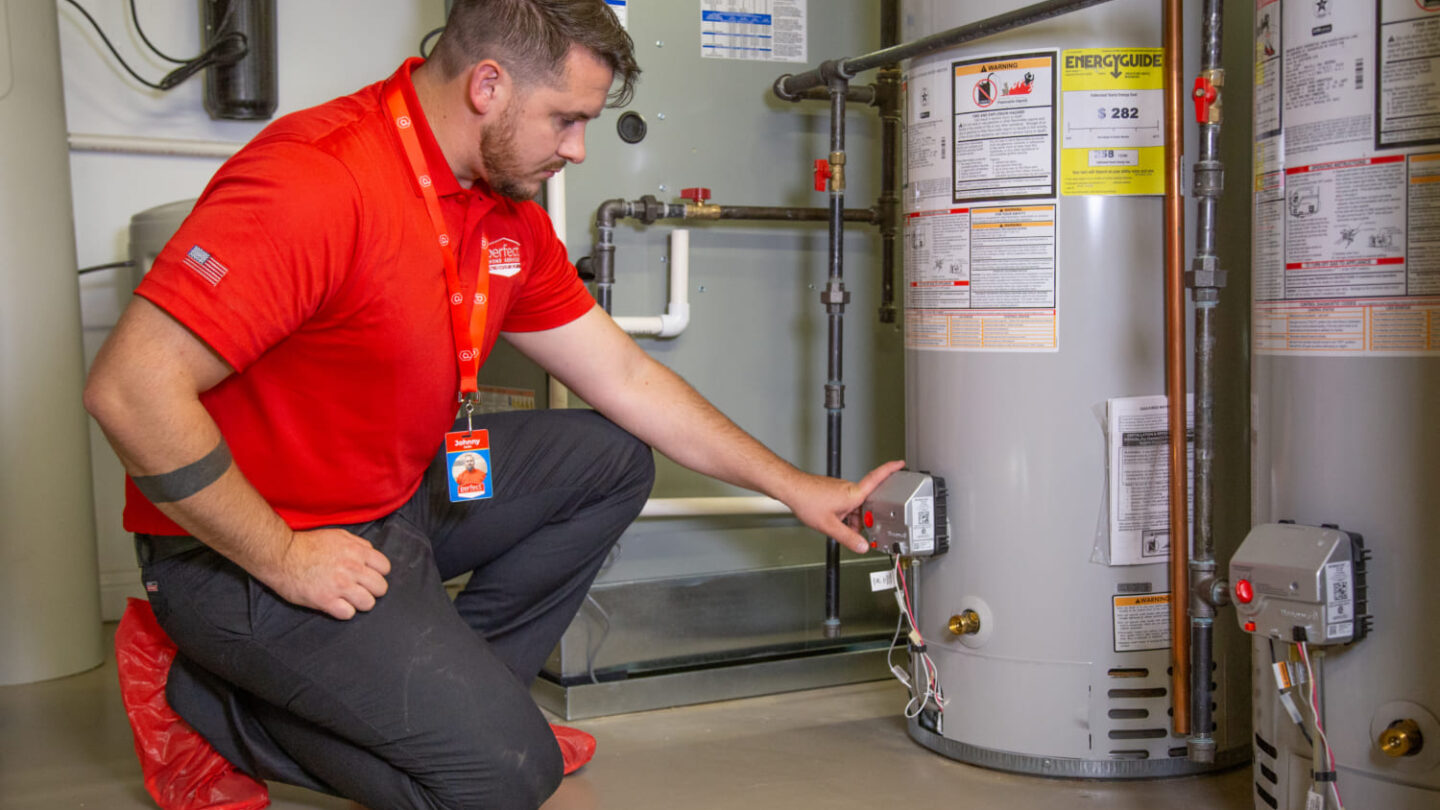
When a unit struggles to heat water, produces rusty-looking water, makes unusual noises, or leaks around the tank, a professional inspection is sensible. Depending on the condition of the equipment, water heater installations & repairs may involve adjusting or replacing a component, servicing the existing unit, or installing a new system.
Replacement isn’t always the first answer. However, if a heater is old, frequently needs repairs, or no longer meets the household’s needs, investing in a suitable replacement may make more sense than repeatedly paying to keep it running. A plumber can explain the options, expected operating costs, and the practical differences between available models.
What to Do When a Plumbing Problem Can’t Wait
Some plumbing issues can wait until a convenient appointment. Others can cause serious damage if left alone. A burst pipe, a major leak, sewage backing up into the home, or a sudden loss of water throughout the property may require immediate attention.
If a pipe bursts, the first priority is to stop the water flow if it’s safe to reach the main shutoff valve. Move belongings away from the affected area and avoid standing water near electrical equipment. If sewage is involved, keep people and pets away from the contaminated area. Cleaning up without appropriate protection can create additional health risks.
In these situations, emergency plumbing services can help locate the source of the problem, control the immediate damage, and determine what repairs are needed. When calling, describe what happened, where the water is appearing, and whether you’ve been able to shut off the supply. Clear information helps the plumber prepare for the visit.
Not every urgent-looking problem is a catastrophe, of course. A leaking faucet might be manageable for a short time, while water spreading through a ceiling is a different matter. The key is to judge the risk, take sensible precautions, and seek professional help when the situation could damage the property or threaten safety.
Planning Plumbing Work During a Renovation or New Build
Plumbing decisions are especially important when a house is being built or a major renovation is underway. Pipes, drainage routes, water-heating equipment, and fixture locations need to work together. If these details are rushed, the result can be awkward layouts, difficult future repairs, or avoidable expenses once walls and floors have been finished.
Good planning begins with understanding how the building will be used. A family home may need different hot-water capacity from a small apartment or a property with several bathrooms. Kitchen layouts, laundry areas, outdoor taps, and future additions should all be considered before the work begins.
Working with a qualified plumber early in the process allows water supply and drainage needs to be coordinated with the broader construction plan. New construction plumbing typically includes installing supply lines, drainage and vent systems, fixtures, and connections for appliances and water heaters. The work should follow local building codes and be inspected where required.
It’s also worth thinking beyond the first day of use. Accessible shutoff valves, sensible pipe routing, and properly documented system layouts can make later maintenance easier. No homeowner wants to open a finished wall just to discover where a pipe runs. A little planning at the start can save time and money years down the road.
Small Habits That Help Prevent Bigger Repairs
Professional service matters, but everyday habits can make a difference, too. Avoid pouring grease down kitchen drains, use drain strainers where appropriate, and don’t flush wipes or other unsuitable materials down the toilet. These items can contribute to stubborn blockages, even when a product is marketed as flushable.
Check beneath sinks occasionally and look around toilets, washing machines, and water heaters for signs of moisture. Know where the main water shutoff is located before a leak occurs. If your home has older pipes, recurring clogs, or a history of water damage, ask a plumber whether a more detailed inspection would be worthwhile.
Maintenance schedules should suit the actual equipment and conditions rather than follow a one-size-fits-all rule. Hard water, heavy usage, freezing temperatures, and the age of the system can all influence how often certain components need attention.
Choosing a Plumber With Confidence
When comparing plumbing services, look beyond the first price you hear. Ask whether the company is properly licensed where required, carries appropriate insurance, and has experience with the type of problem you’re facing. A clear estimate should explain the proposed work, relevant materials, and any likely additional costs.
Good communication matters just as much as technical skill. A reliable professional should explain the problem in understandable terms, outline practical options, and answer questions without making the situation sound more frightening than it is. For larger projects, ask about permits, inspection requirements, warranties, and the expected timeline.
It’s reasonable to compare quotes, but the cheapest offer isn’t automatically the best value. Work that isn’t completed properly can lead to repeat visits and higher costs later.
A Little Preparation Goes a Long Way
Reliable plumbing isn’t simply about fixing leaks after they appear. It’s about recognizing early warning signs, maintaining important equipment, and knowing when a job needs professional attention. Some repairs are minor; others call for quick action or careful planning.
By paying attention to your home’s plumbing and choosing qualified help when needed, you can reduce avoidable disruptions and make more informed decisions about repairs and upgrades. The aim isn’t to eliminate every possible problem. It’s to keep the system working safely, respond sensibly when something goes wrong, and help your home remain comfortable for the people who depend on it every day.