Keeping Your Water Treatment System Running Smoothly: When Service Matters
A water treatment system is one of those home investments you don’t think about much when everything is working properly. You turn on the tap, fill a glass, take a shower, and carry on with your day. Then something changes. Maybe the water starts tasting different. The system seems to be running more often than […]
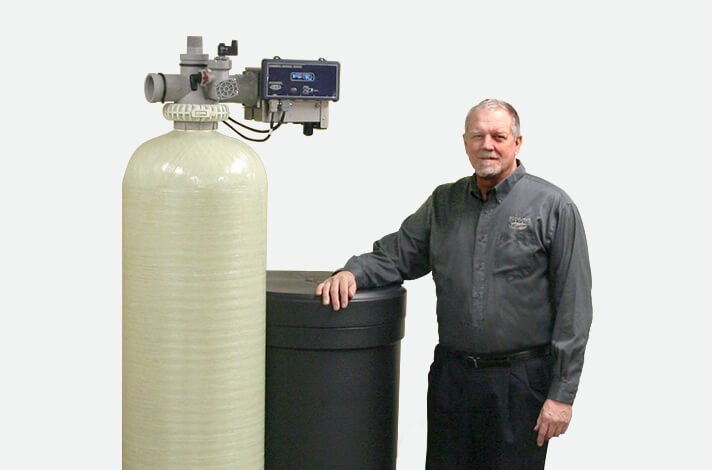
A water treatment system is one of those home investments you don’t think about much when everything is working properly. You turn on the tap, fill a glass, take a shower, and carry on with your day.
Then something changes.
Maybe the water starts tasting different. The system seems to be running more often than usual. A filter needs attention, or the water softener isn’t performing like it used to. Suddenly, that quiet piece of equipment in the basement or utility room becomes very noticeable.
That’s where regular service and timely repairs can make a real difference. A little attention at the right time can keep a small issue from becoming a bigger—and more expensive—problem.
Why Regular Water Treatment Service Matters
Like any household equipment, water treatment systems need occasional care. Filters become exhausted, moving parts can wear, settings may need adjustment, and components don’t last forever.
Regular maintenance can help identify these issues before they seriously affect performance.
A routine service appointment gives a technician an opportunity to inspect the equipment, check connections, review settings, and determine whether components need cleaning or replacement.
It doesn’t mean something is wrong. In many cases, routine service is simply preventative care.
Think of it like getting your car serviced. You don’t wait for the engine to stop before checking the oil.
Related context Why Transparent Water Treatment Services Make a Difference at Home
Signs Your System May Need Attention
Your water can sometimes give you clues when something isn’t working as expected.
A sudden change in taste or odor is one obvious sign. You might also notice reduced water pressure, unusual noises, changes in water softness, or visible mineral buildup.
If your filter system has an indicator light or monitoring feature, pay attention to it. Those little warnings exist for a reason.
Another common clue is simply a change in performance. If the system used to provide noticeably better water and suddenly doesn’t, it’s worth investigating rather than assuming the problem will disappear.
Understanding Your EcoWater System
Homeowners who use an EcoWater System should follow the manufacturer’s maintenance recommendations and keep track of filter or component replacement schedules.
Different systems have different requirements, so there isn’t one universal maintenance routine. Some equipment may need regular filter replacement, while softening systems may require attention to salt levels, regeneration settings, or other components.
If you’re unsure what your particular system needs, check the documentation or contact a qualified service provider.
It’s much better to ask a simple question than to guess and accidentally overlook an important maintenance step.
Related context Clean Water at Home: Why the Right Filtration System Changes More Than You Expect
Don’t Wait Too Long for Repairs
When a water treatment system starts behaving strangely, it’s tempting to put off calling someone.
After all, the water still comes out of the tap, right?
Sometimes that works out. Sometimes it doesn’t.
A minor issue can become more complicated if the system continues operating with a worn component or an exhausted filter. Waiting may also mean you’re no longer getting the level of treatment you expected.
If you notice a significant change in performance, arranging a service call sooner rather than later can help identify the cause.
What Happens During a Typical Service Visit?
A professional service visit can vary depending on the equipment and the reason for the appointment.
The technician may inspect the system, check for leaks, review pressure and settings, examine filters or other treatment components, and look for signs of wear.
If there’s a problem, they should explain what they’ve found and what needs to be done.
Don’t hesitate to ask questions. A good technician should be able to explain the issue in everyday language rather than relying on technical terms you don’t understand.
Related context Finding the Right Water System for Your Home: What Actually Makes a Difference
You should know what you’re paying for and why the repair is recommended.
Filters Are Often the Simple Starting Point
Sometimes the solution is surprisingly straightforward.
If water quality has changed gradually, an exhausted filter may be the reason. Filters have limited capacity, and once their useful life is reached, performance can decline.
That’s why keeping track of replacement dates is so important.
Don’t rely entirely on taste or smell to tell you when a filter needs replacing. Follow the manufacturer’s recommendations and consider actual household water usage as well.
A busy family can go through filtration capacity faster than a single-person household.
Maintenance Can Save Money Over Time
Preventative maintenance may feel like an unnecessary expense when the system appears to be working perfectly.
But small maintenance costs can sometimes prevent larger repair bills.
Related context Why Better Water at Home Feels Like a Quiet Luxury
Regular inspections may identify worn seals, clogged components, incorrect settings, or other problems before they become serious.
Maintenance can also help extend the useful life of the equipment. While no system lasts forever, proper care is generally better than neglect.
Keep Your Service Information Organized
It’s surprisingly useful to keep a simple record of your water treatment maintenance.
Write down when filters were replaced, when the system was serviced, and whether any components were repaired or changed.
If you have a warranty, keep related documents somewhere accessible.
This information can make future service visits easier because the technician can quickly understand what has already been done.
A note in your phone is enough. It doesn’t need to become another household filing project.
Choosing a Reliable Service Provider
If your system needs professional attention, choose a provider who understands the specific equipment you’re using.
Related context The Small Kitchen Upgrade That Quietly Changes Everything About Your Water
Ask whether technicians are trained to work with your system and whether replacement parts are readily available.
It’s also reasonable to ask for an estimate before approving significant repairs.
Be cautious if someone immediately recommends replacing the entire system without explaining why. Sometimes replacement is the right answer, especially for older equipment, but you should understand the reason before making a major purchase.
Good Water Treatment Requires a Little Attention
A water treatment system is designed to make life easier, not give you another thing to worry about.
The best approach is simple: follow the manufacturer’s maintenance recommendations, replace filters when required, pay attention to changes in performance, and arrange professional service when something doesn’t seem right.
You don’t need to wait for a complete breakdown.
A timely inspection or repair can often keep the system working reliably and help protect the investment you’ve already made.
In the end, good water treatment isn’t just about installing the right equipment. It’s also about taking care of it. When maintenance becomes part of your normal home routine, your system can quietly keep doing what you bought it to do—providing dependable water treatment day after day.