Making Your Home Warmer with the Right Heating System
A warm home has a certain feeling to it, especially when the weather outside turns cold. It’s where you can relax after a long day, enjoy a cup of coffee in the morning, or spend a quiet evening with family without constantly reaching for another blanket. But when a heating system starts struggling, that comfort can disappear faster than expected.
Choosing a new heating system isn’t something most homeowners do very often. It’s usually a decision made after years of using existing equipment, dealing with occasional repairs, or noticing that some rooms never seem to stay warm enough. Taking time to understand the options can make the entire process easier and help you avoid unnecessary expenses down the road.
Understanding Your Home’s Heating Needs
Every home has different heating requirements. The size of the property, ceiling height, insulation, window quality, layout, and local weather conditions all affect how much heating is needed. A system that works perfectly in one house may not deliver the same results in another.
Before choosing equipment, homeowners should consider their everyday comfort concerns. Are bedrooms colder than the living room? Does the heating take too long to reach the desired temperature? Are energy bills increasing even though the system hasn’t changed? These details can help identify what needs improvement.
Proper residential heating equipment installation starts with understanding the property rather than simply selecting a heater based on price or capacity. A professional evaluation can help determine which system is suitable, how it should be configured, and whether the existing ductwork or electrical setup needs attention.
Why Installation Quality Is Just as Important as Equipment
Buying a quality heater is only part of the process. How the equipment is installed can directly influence its efficiency, reliability, and lifespan. Even a well-designed system may experience problems if connections are incorrect, airflow is restricted, or important installation requirements are overlooked.
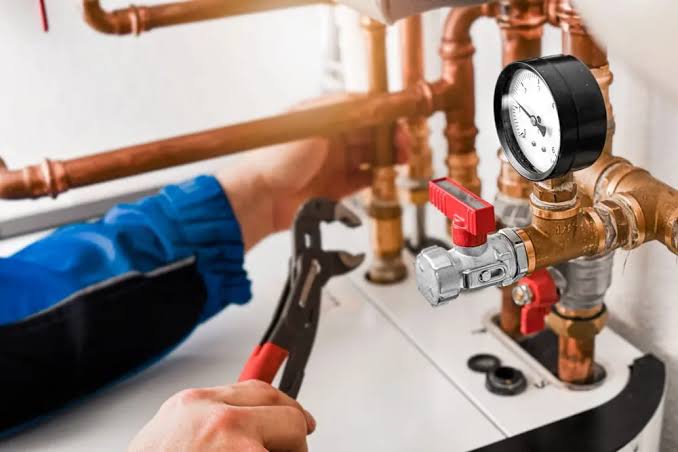
Experienced technicians take time to inspect the installation area, confirm equipment specifications, and check the surrounding components. Depending on the system, this may involve electrical connections, ventilation, thermostat placement, ductwork, drainage, and safety controls.
With professional heater installation, homeowners can avoid many of the problems associated with incorrect setup. A properly installed system is more likely to heat rooms evenly, operate according to manufacturer guidelines, and maintain dependable performance during colder months.
It’s also helpful to ask the installer to explain the basic controls. Knowing how to adjust the thermostat, change filters, and recognize unusual operating sounds makes owning a heating system less complicated.
Knowing When It’s Time to Replace an Older Heater
Heating equipment often gives warning signs before it stops working completely. Frequent repairs, uneven temperatures, unusual smells, loud noises, and rising energy consumption can indicate that the system is approaching the end of its useful life.
Sometimes a simple repair is all that’s needed. A thermostat issue, dirty filter, or minor component failure doesn’t automatically mean the entire system must be replaced. However, when breakdowns become frequent and repair expenses continue adding up, replacement may be worth considering.
Homeowners exploring heating system replacement services should compare the condition of their current equipment with the benefits of newer technology. Modern systems may offer better energy efficiency, improved temperature control, quieter operation, and more convenient features.
Instead of waiting for a complete breakdown during the coldest part of the year, planning a replacement early gives you time to review options, compare estimates, and make a decision without unnecessary pressure.
Improving Efficiency Without Sacrificing Comfort
Heating costs can become a concern during colder seasons, particularly when a system operates for several hours every day. Fortunately, equipment upgrades aren’t the only way to improve efficiency. The home itself plays a major role in retaining warmth.
Air leaks around windows, doors, and other openings allow heated air to escape. Poor insulation can make rooms feel cold even when the heater is running. Sealing these gaps and improving insulation may help reduce energy waste while making indoor temperatures more consistent.
Homeowners can also develop a few simple habits:
- Keep heating filters clean and replace them when necessary.
- Avoid blocking vents with furniture or curtains.
- Use curtains to retain warmth after sunset.
- Set the thermostat to a comfortable, practical temperature.
- Schedule periodic heating inspections.
These small steps are easy to overlook, but together they can support better performance and reduce unnecessary strain on the equipment.
Choosing a Heating Contractor You Can Trust
Finding the right contractor is an important part of upgrading your home’s heating system. Look for someone who takes time to inspect the property, explains the available options, and provides clear information about installation costs, warranties, and maintenance.
A trustworthy professional shouldn’t rush you into buying equipment you don’t need. They should be willing to answer questions and explain why a particular system is recommended for your home.
Clear communication before installation often leads to a smoother experience afterward. Knowing what the project involves, how long it will take, and what maintenance is required helps homeowners feel more confident about their investment.
Enjoying Comfort Through Every Season
A dependable heating system does more than warm the house. It creates an environment where everyday life feels comfortable, whether you’re working from home, preparing dinner, or relaxing on a chilly evening.
Making the right choice involves understanding your home’s needs, selecting suitable equipment, and ensuring the installation is handled carefully. With proper maintenance and a little preparation, your heating system can provide consistent comfort, dependable performance, and greater peace of mind for years to come.