What Every Homeowner Should Know About Sediment, Well Bacteria, and Clean Water
Water is one of those things most of us take for granted until something seems wrong. Maybe the water from your kitchen tap looks cloudy, there’s an unusual smell when you turn on the shower, or you’ve noticed fine particles collecting at the bottom of a glass. If your home relies on a private well, these changes can raise an important question: is the water still safe to use?
Well water can provide a dependable supply for everyday life, but its quality depends on several factors, including local geology, the condition of the well, and what’s happening around the property. Some problems affect taste and appearance, while others are difficult to detect without laboratory testing. Understanding the difference is essential. It helps homeowners respond sensibly instead of guessing at the cause or spending money on equipment that may not solve the problem.
Why Sediment Can Appear in Your Water
A well draws groundwater from underground formations containing soil, sand, rock, and naturally occurring minerals. Under certain conditions, small particles can enter the water supply and travel through the plumbing. These particles may make water look cloudy, leave deposits in containers, or collect around faucet screens.
The presence of sediment doesn’t always mean that a well is contaminated. It may be associated with disturbed groundwater, a damaged well component, changes in pumping conditions, or mineral deposits breaking loose inside the plumbing. Heavy rainfall and nearby construction can sometimes affect the amount of material entering a well, too.
Still, a sudden change deserves attention. If water that was previously clear becomes noticeably brown, gritty, or cloudy, don’t simply assume it’s harmless dirt. Check whether the issue occurs at every tap and whether it continues after running the water briefly. These observations can help a qualified well professional investigate the cause.
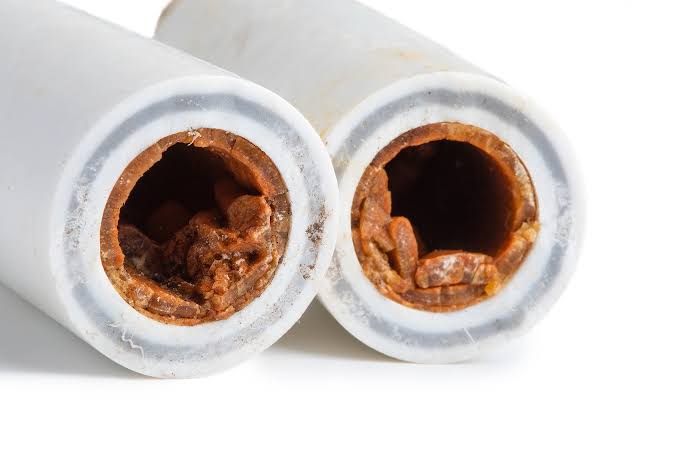
Sediment can also affect household equipment. Particles may clog faucet aerators, reduce flow through filters, and collect inside water heaters. Over time, this can increase maintenance requirements and shorten the useful life of some components. A suitable sediment filter may help, but its size and filtration rating should match the actual problem.
The Hidden Concern: Bacteria in Well Water
Unlike visible particles, microorganisms usually can’t be identified by looking at a glass of water. Water may appear perfectly clear and still contain bacteria or other disease-causing organisms. That’s why appearance, taste, and smell are not reliable ways to determine whether well water is safe to drink.
Well bacteria can enter a private water supply through several routes, including damaged well caps, faulty seals, surface-water intrusion, or contamination from nearby septic systems and animal waste. Flooding can increase the risk, especially when water collects around the wellhead or enters through damaged components.
Some bacteria are harmless, but others can cause illness. Symptoms associated with contaminated drinking water may include diarrhoea, stomach cramps, nausea, and vomiting. Young children, older adults, and people with weakened immune systems may be more vulnerable to complications.
Testing is the most reliable way to find out whether bacteria are present. Homeowners should arrange testing through a qualified laboratory and follow local public-health recommendations. In many areas, annual testing for total coliform bacteria and E. coli is recommended for private wells, with additional tests after flooding, repairs, or noticeable changes in water quality.
If contamination is suspected or a test confirms harmful bacteria, follow guidance from local health authorities about drinking and cooking water. Boiling can be an appropriate temporary precaution for microbial contamination when authorities recommend it, but it does not remove chemical contaminants or sediment. A confirmed problem should also be investigated at its source.
Understanding What a Water Test Can Tell You
A water test provides more useful information than guesswork ever will. Depending on the well’s location and the concerns involved, testing may include bacteria, nitrates, pH, hardness, iron, manganese, and other substances relevant to local conditions.
Each result tells a different part of the story. High iron levels, for example, may cause orange staining and a metallic taste. Hardness can contribute to scale on taps and appliances. Elevated nitrate levels may be a particular concern for infants, while bacterial contamination calls for a different response altogether.
It’s worth remembering that no single test checks for every possible contaminant. The right testing plan depends on the property’s surroundings, local groundwater conditions, and the history of the well. A laboratory or local environmental health department can help determine which tests are appropriate.
Keep copies of the results rather than treating each test as an isolated event. Comparing results over time can reveal changes that might otherwise go unnoticed. It also gives water-treatment professionals a more accurate starting point when recommending equipment.
Choosing the Right Treatment for Your Well
The best water treatment solution depends on what’s actually present in the water. A sediment filter may capture sand and other suspended particles, but it won’t disinfect contaminated water. Similarly, a disinfection system may address microorganisms without removing dissolved minerals or chemical contaminants.
For bacterial concerns, ultraviolet disinfection can be effective when properly selected and maintained. It generally requires suitable prefiltration because cloudy water and suspended particles can interfere with the light reaching microorganisms. UV systems also need a reliable power supply and routine maintenance, and they don’t remove chemical contaminants.
Chlorination is another option in some situations. It can disinfect water when the system is correctly designed and operated, although contact time, dosage, and other water characteristics matter. Some systems also require additional filtration to address taste, odour, or residual particles.
For sediment, cartridge filters and backwashing filters are common options. The right choice depends on particle size, water flow, and how quickly the filter would become clogged. Installing a very fine filter without considering flow requirements can leave a household with disappointing water pressure.
Before purchasing equipment, have the water tested and discuss the results with a qualified professional. Ask what each component is designed to remove, what maintenance it requires, and whether follow-up testing is needed to confirm performance. A clear explanation is a good sign that the recommendation is based on your water rather than a generic sales pitch.
Don’t Overlook the Well Itself
Even a well-designed treatment system cannot compensate for every structural problem. A cracked well cap, deteriorating casing, poor drainage, or damaged seals may allow contaminants to enter repeatedly. Addressing these defects is often just as important as choosing filtration equipment.
Walk around the well periodically and look for standing water, erosion, damaged covers, or nearby activities that could introduce pollutants. Keep fuel, pesticides, fertilisers, and other chemicals stored away from the well. Ensure that drainage carries rainwater away from the wellhead, not toward it.
If your property uses a septic system, proper maintenance and suitable separation from the well are especially important. Local regulations can help determine appropriate distances and construction requirements.
Following a flooding event, don’t assume the water is safe simply because it looks normal again. Contact local health authorities or a well professional for instructions on inspection, disinfection, and testing before returning to normal drinking-water use.
Building Confidence in Your Everyday Water
A private well requires a little more attention than a municipal supply, but the routine doesn’t have to be complicated. Regular testing, sensible maintenance, and treatment equipment chosen for the right reasons can prevent many problems from becoming bigger ones.
Pay attention when water changes colour, develops a new smell, or begins leaving unusual deposits. These signs don’t automatically mean the supply is dangerous, yet they shouldn’t be ignored. Some of the most important water-quality concerns cannot be seen at all, which is why testing remains essential.
Ultimately, good water management is about more than getting a clear glass from the tap. It’s about understanding your water source, responding to changes, and making informed decisions that protect everyone in the household. With the right information and a consistent maintenance routine, homeowners can enjoy their well water with greater confidence, season after season.