Why Big Businesses Are Finally Paying Attention to Water Quality (And You Should Too)
Walk into any restaurant kitchen, hospital basement, or hotel boiler room, and you’ll likely find something humming quietly in the corner — a water softener. Not exactly glamorous, right? But behind the scenes, these unsung machines are doing a pretty heavy lift. They’re saving companies thousands of dollars, extending the lifespan of expensive equipment, and […]
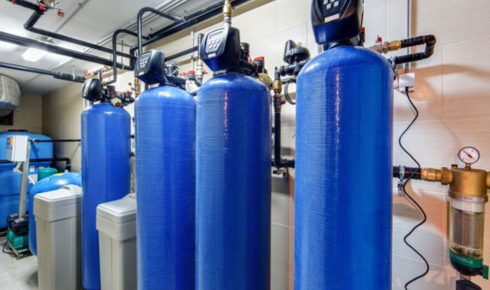
Walk into any restaurant kitchen, hospital basement, or hotel boiler room, and you’ll likely find something humming quietly in the corner — a water softener. Not exactly glamorous, right? But behind the scenes, these unsung machines are doing a pretty heavy lift. They’re saving companies thousands of dollars, extending the lifespan of expensive equipment, and improving everything from laundry results to the taste of morning coffee.
And yet, for the longest time, water softening has been treated as one of those “set-it-and-forget-it” kind of utilities. That’s starting to change. As operational costs rise and sustainability becomes more than just a buzzword, the importance of water treatment is coming into sharper focus — especially for businesses operating at scale.
Let’s unpack why commercial water softeners are having a bit of a moment right now and what it means for industries that rely heavily on water.
The Hidden Cost of Hard Water
First, a quick primer. “Hard” water is simply water with a high concentration of minerals — mainly calcium and magnesium. While not harmful to health, it’s a nightmare for plumbing and machinery.
Those mineral deposits (also known as scale) build up over time, clogging pipes, coating heating elements, and generally making life more difficult than it needs to be. Appliances run less efficiently, detergents don’t dissolve properly, and repairs become a recurring theme.
Now multiply that effect across dozens — sometimes hundreds — of rooms, machines, or production lines, and the damage isn’t just inconvenient. It’s costly. That’s why water softening has become more of a strategic investment than a maintenance afterthought.
Related context The Hidden Cost of Hard Water: Why Protecting Your Appliances and Plumbing Matters
Big Problems Need Bigger Solutions
If you’re running a facility that goes through thousands of gallons of water a day — think hospitals, universities, or food processing plants — then your needs are far from average. This is where high-capacity softening systems come into play.
Unlike residential units that might be tucked under a kitchen sink, these beasts are built for volume and endurance. They’re designed to regenerate more efficiently, handle varying flow rates, and, in many cases, integrate with building management systems. That means fewer breakdowns, less downtime, and more predictable performance.
These systems are no longer luxury items; they’re a line item in the budget — and a justifiable one at that.
It’s Not Just About Plumbing Anymore
Here’s where things get interesting. It’s easy to assume water softeners are only about protecting pipes. But in many industries, water quality directly impacts product quality.
In hospitality, softer water makes for fluffier towels and shinier glassware. In food service, it means better-tasting coffee and reduced soap usage. In healthcare, it ensures sterilization processes aren’t compromised by mineral deposits.
Related context The Small Kitchen Upgrade That Quietly Changes Everything About Your Water
Even in tech-driven industries like pharmaceuticals or electronics manufacturing, the presence of dissolved solids can make or break an entire batch.
When you start looking at water as a critical input — not just a utility — it changes how you approach treatment. And it certainly changes the conversation around ROI.
Boilers and the Battle Against Scale
Boilers are particularly vulnerable to hard water. The scale acts like an insulator, forcing the system to use more energy to heat the same amount of water. That means higher energy bills, more wear and tear, and an increased risk of failure.
Businesses that rely on boilers — from breweries to textile mills — know this pain all too well. That’s why many of them turn to softening systems that are specifically optimized to reduce hardness in boilers and prolong system life.
It’s not just a preventative measure; it’s a profitability move. Because when your boiler runs smoother, your whole operation does too.
Related context Behind Every Great Business Is Better Water: Why Commercial Softening Matters More Than You Think
The Data Doesn’t Lie
According to a study by the Water Quality Association, even a 1/16-inch layer of scale in a water heater can increase energy consumption by over 10%. Over a year, for a commercial facility, that’s not just pocket change — it’s a budget buster.
And then there’s the matter of equipment life. Dishwashers, steamers, laundry machines — all of them last significantly longer in facilities that treat their water. So, you’re not just spending less on utilities, you’re also stretching your capex dollars further.
In an era where margins are tight and supply chain delays are real, that matters more than ever.
Smart Water Management = Smart Business
There’s also a growing trend of integrating water softeners with smart systems. Think IoT-enabled tanks that alert facility managers when salt is low or when regeneration is due. This kind of visibility allows teams to stay ahead of potential problems, schedule maintenance more efficiently, and reduce manual checks.
In short, it turns reactive maintenance into proactive management — and that’s a game-changer for operations teams juggling multiple priorities.
Related context When Clean Water Means Big Business: A Real Talk on Commercial Water Treatment
Sustainability & Compliance
Let’s not forget the environmental angle. Reducing scale means reducing energy consumption. Less detergent means fewer chemicals going down the drain. Optimizing regeneration means using less water overall.
Many jurisdictions are tightening regulations around industrial water usage and discharge. Having a solid water treatment setup isn’t just about cost savings anymore — it’s about staying compliant and proving that your company takes environmental stewardship seriously.
Sustainability reports aren’t just for investor decks; they’re becoming part of vendor qualification processes and RFPs. Softening your water? That’s one small checkbox with big implications.
Not a One-Size-Fits-All Situation
One thing that’s important to note: not all softeners are created equal. The specific needs of a five-star hotel aren’t the same as those of a commercial laundry or a dairy plant. Water chemistry varies from region to region. Flow demand fluctuates by time of day. Salt delivery might be a logistics challenge in some places.
That’s why the best results come from systems that are properly spec’d, installed, and maintained. A rushed install or a generic model might work in the short term — but it’ll bite you later when things inevitably go sideways.
Related context Why Transparent Water Treatment Services Make a Difference at Home
Work with vendors who understand your operational realities and can tailor a system to match. It’s worth the extra homework.
Final Thoughts: From Backroom to Boardroom
We don’t talk enough about the things that quietly keep businesses running. Water softeners aren’t flashy. They don’t dazzle clients or drive top-line revenue. But they protect your infrastructure, improve your service delivery, and slash costs in ways that often go unnoticed — until they fail.
That’s changing. More facilities managers, operations heads, and even CFOs are starting to ask better questions about water treatment. And the answers, increasingly, point to long-term value.
So whether you’re running a hotel chain, a university campus, or a busy commercial kitchen — take a moment to look at the water flowing through your systems. It might be working harder (and costing more) than you realize. Investing in the right solution today could save you more than you expected tomorrow.